
Described as one of the most important scientists of the 20th century, the legacy of John Stewart Bell’s work will be its transformational impact upon all our lives in the 21st century.
John Stewart Bell was born in Belfast in 1928 and grew up on Tates Avenue in the city. He decided at a very young age to be a scientist and in 1948 he graduated from Queen’s University Belfast with a bachelor’s degree in Experimental Physics.
The following year he graduated again, this time in Mathematical Physics. He went on to complete his PhD at the University of Birmingham, specialising in Nuclear Physics and Quantum Field Theory.
Cuirtear síos air mar dhuine de na heolaithe is tábhachtaí sa 20ú haois, an oidhreacht a bheas ag saothar John Stewart Bell ná an tionchar nach beag a bheas aige ar ár saolta sa 21ú haois.
Rugadh John Stewart Bell i mBéal Feirste sa bhliain 1928 agus d’fhás sé aníos ar Ascaill Tate sa chathair. Shocraigh sé agus é óg go raibh sé ag iarraidh a bheith ina eolaí agus in 1948, bhain sé céim bhaitsiléara san Fhisic Thurgnamhach amach ó Ollscoil na Banríona.
Fuair sé céim eile an bhliain ina dhiaidh sin, san Fhisic Mhatamaiticiúil an uair seo. Chuaigh sé ar aghaidh lena PhD a dhéanamh in Ollscoil Birmingham, rinne sé speisialtóireacht san Fhisic Núicléach agus Réimsetheoric Chandamach.
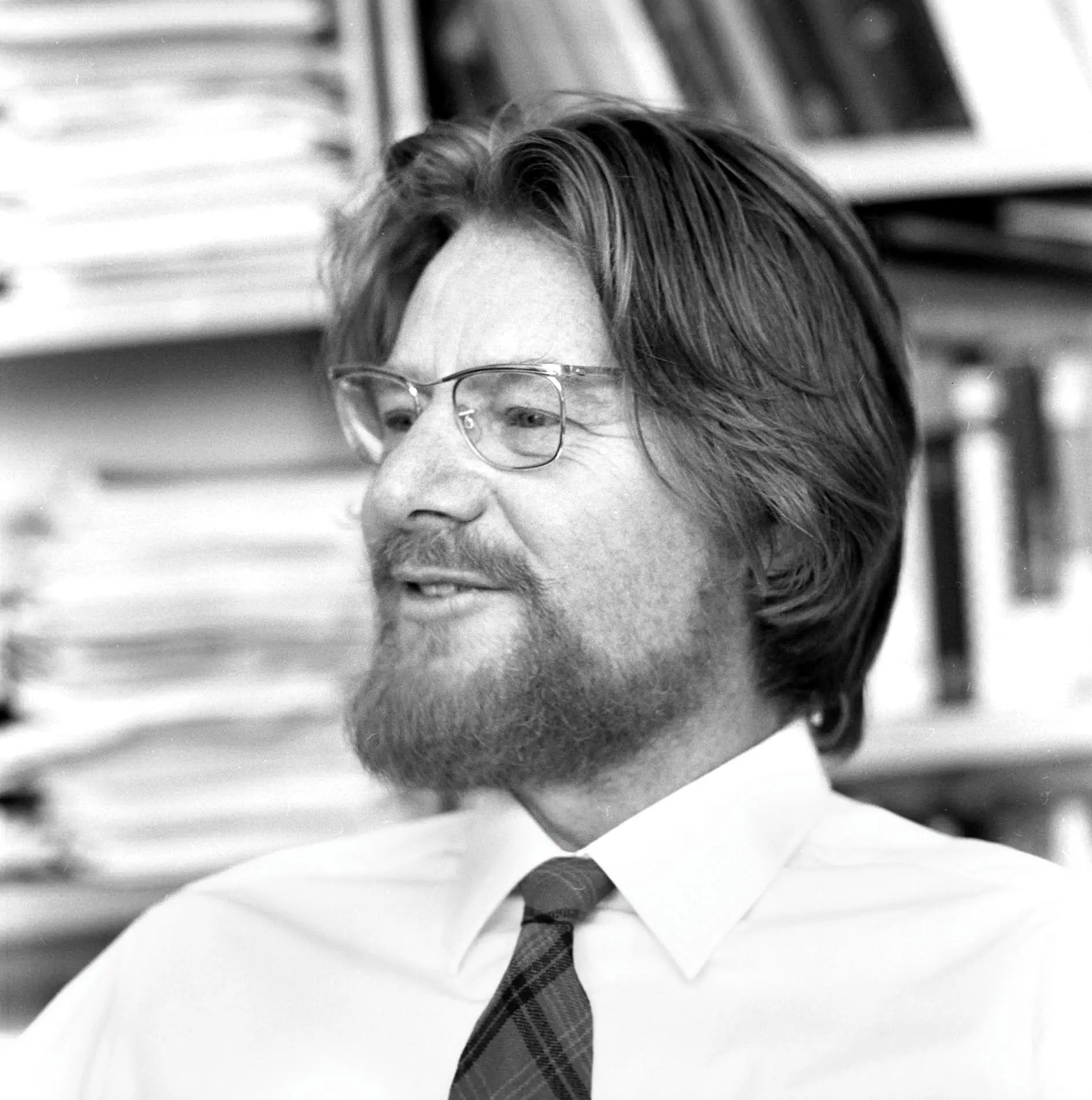
In 1960 he moved to Geneva to work for the European Organization for Nuclear Research (CERN, Conseil Européen pour la Recherche Nucléaire), where he would spend most of his working life.
In 1965 he published a paper that effectively turned the world of physics on its head, based on a theory called Entanglement. The idea effectively challenged Einstein’s accepted quantum model of the universe.
The theory has far-reaching practical implications for technology that now shapes our world, such as quantum computing, satellite technology, encryption and cloud technology.
Sa bhliain 1960, bhog sé go Geneva le bheith ag obair leis an Eagraíocht Eorpach um Thaighde Núicléach (CERN, Conseil Européen pour la Recherche Nucléaire), áit ar chaith sé an chuid is mó dá shaol oibre.
D’fhoilsigh sé páipéar in 1965 a chuir réimse na fisice bunoscionn a bheag nó a mhór, bunaithe ar theoiric ar a dtugtar Fostú Candamach. Cheistigh an smaoineamh s’aige samhail chandamach Einstein ar an chruinne, a raibh glacadh léi.
Tá impleachtaí praiticiúla nach beag ag an teoiric don teicneolaíocht atá anois i réim inár saol, cosúil le ríomhaireacht chandamach, teicneolaíocht satailíte, criptiú agus teicneolaíocht néil.
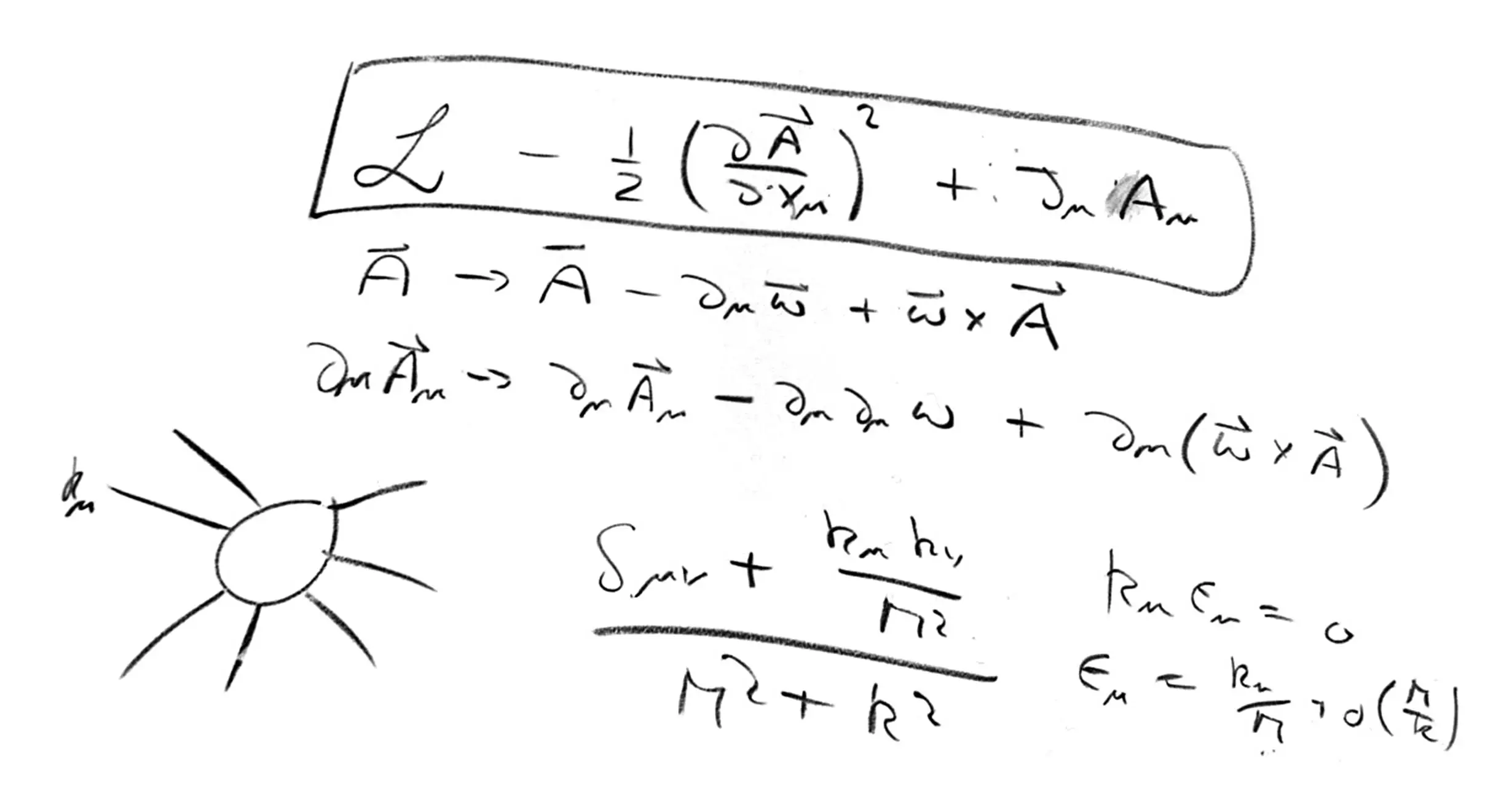
Though hailed as a breakthrough, the theory remained unproven for many years. Nonetheless it earned Bell many awards, and he was eventually nominated for the Nobel Prize in Physics in 1990, the year he died.
In 2022, the Nobel Prize was jointly awarded to three physicists for their work on the experimental validation of Bell’s theorem.
Cé gur measadh gurbh fhionnachtain í an teoiric, bhí sí neamhchruthaithe leis na blianta. Mar sin féin, fuair Bell go leor gradam dá bharr, agus ainmníodh é don Duais Nobel san Fhisic in 1990, an bhliain a fuair sé bás.
Sa bhliain 2022, tugadh an Duais Nobel i gcomhpháirt do thriúr fisiceoirí as an obair a rinne siad ar dheimhniú turgnamhach maidir le teoirim Bell.