
From school days in Belfast to winning a Nobel Prize - Ernest Walton was the pioneering Irish physicist who first split the atom.
Born in Dungarvan, County Waterford in 1903, Ernest Walton boarded in Methodist College Belfast then attended Trinity College Dublin, excelling in mathematics and physics. On graduation he moved to Cambridge to begin research under Sir Ernest Rutherford. He received his PhD in 1931.
During this time he and a colleague, John Cockcroft, collaborated on an apparatus (an early type of particle accelerator) to split the nuclei of lithium atoms by bombarding them with protons. In 1932 the pair successfully changed the lithium nucleus into two helium nuclei. In other words, the atom had finally been split.
Óna laethanta scoile i mBéal Feirste go dtí an Duais Nobel s’aige - ba é Ernest Walton an fisiceoir ceannródaíoch Éireannach a scoilt an t-adamh den chéad uair.
Rugadh i nDún Garbhán i gContae Phort Láirge sa bhliain 1903 é, bhí sé ina scoláire cónaithe ar Choláiste Modhach Bhéal Feirste agus ansin d’fhreastail sé ar Choláiste na Tríonóide, Baile Átha Cliath. Bhí sé ar fheabhas ag an mhatamaitic agus an fhisic. Nuair a bhain sé an chéim amach, bhog sé go Cambridge le taighde a thoiseacht faoi stiúir Sir Ernest Rutherford. Bhain sé a dhochtúireacht amach sa bhliain 1931.
Le linn an ama seo bhí comhghleacaí aige, John Cockcroft, chomhoibrigh siad ar ghaireas (luath-luasaire cáithníní de chineál éigin) le núicléis na n-adamh litiam a scoilt tríd iad a thuairgneáil le prótóin. Sa bhliain 1932, d’éirigh leis an bheirt dhá núicléas héiliam a dhéanamh den núicléas litiam. Is é sin le rá gur éirigh leo an t-adamh a scoilt sa deireadh thiar thall.
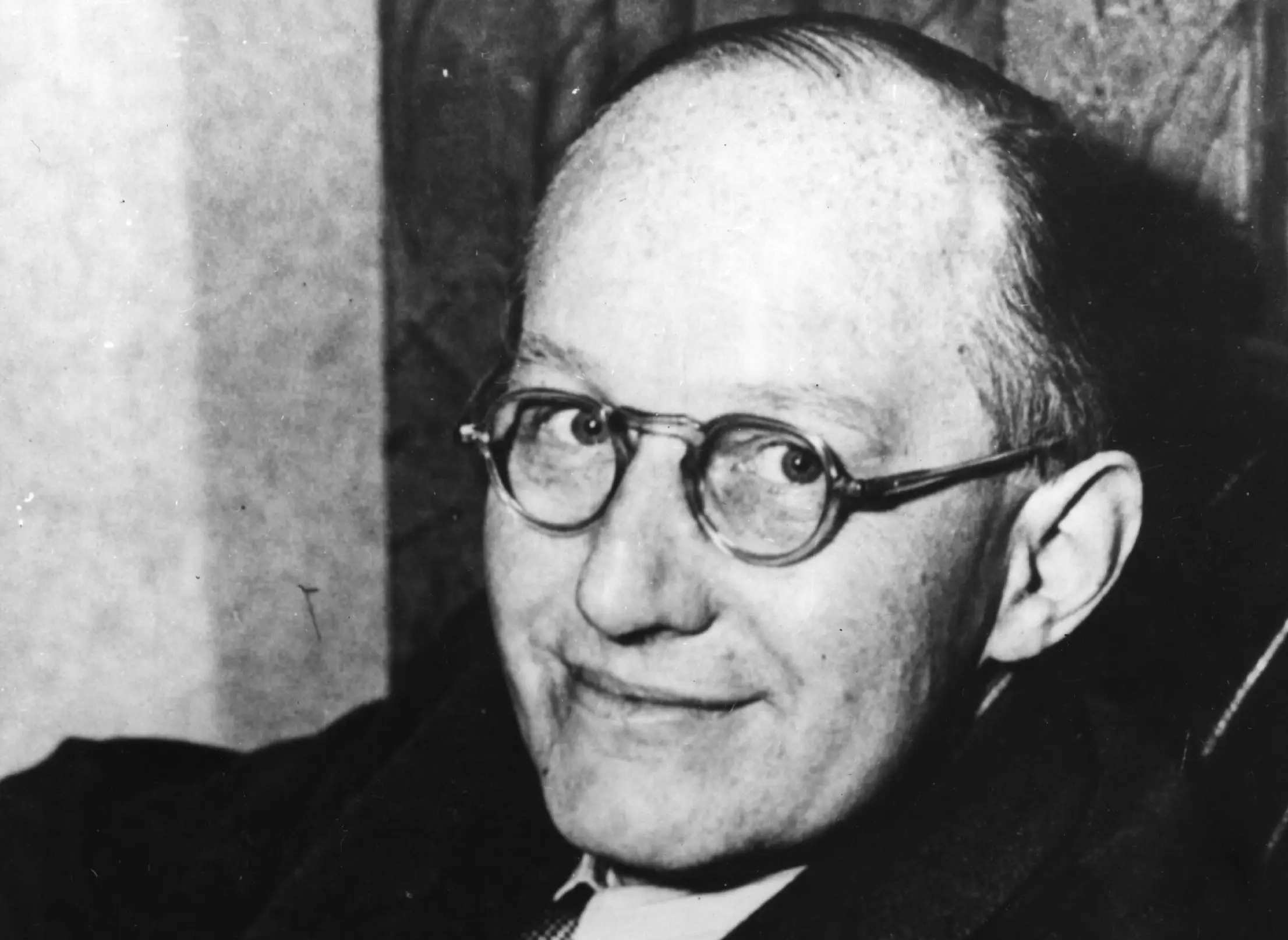
It was a landmark achievement in physics, for which the pair would be jointly awarded the Nobel Prize in 1951.
Walton returned to Trinity in 1934, remaining there for the next 40 years as Professor of Natural and Experimental Philosophy from 1946 to 1974 and chairman of the School of Cosmic Physics at the Dublin Institute for Advanced Studies after 1952. In Trinity he was highly regarded for “his compelling lectures and his commitment to the improvement of the standards of science education in Ireland”.
In acknowledgement of his abiding love for Trinity, Ernest Walton presented his Nobel Prize to the university.
In addition to the Nobel, Walton received many other honours, including an honorary doctorate from Queen’s University Belfast. Waterford Institute of Technology named a building after him, as did Methodist College Belfast.
In addition to the Nobel, Walton received many other honours, including an honorary doctorate from Queen’s University Belfast. Waterford Institute of Technology named a building after him, as did Methodist College Belfast.
Ernest Walton died in Belfast on 25 June 1995, aged 91. He is buried in Deansgrange Cemetery, Dublin.
Ba chinniúnach an t-éacht i réimse na fisice é, agus fuair an bheirt an Duais Nobel in 1951 fána choinne.
Phill Walton ar Choláiste na Tríonóide sa bhliain 1934, is ansin a d’fhan ar feadh 40 bliain ina Ollamh le Fealsúnacht Nádúrtha agus Thurgnamhach ó 1946 go dtí 1974. Chomh maith leis sin, bhí sé ina chathaoirleach ar Scoil na Fisice Cosmaí in Institiúid Ard-Léinn Bhaile Átha Cliath i ndiaidh 1952. Bhí an-mheas ag Coláiste na Tríonóide air as “his compelling lectures and his commitment to the improvement of the standards of science education in Ireland”.
Bhronn Ernest Walton a Dhuais Nobel ar Choláiste na Tríonóide, rud a léiríonn an gean a bhí aige ar an choláiste.
Sa mhullach ar an Duais Nobel, fuair Walton a lán gradam eile, dochtúireacht oinigh ó Ollscoil na Banríona san áireamh. D’ainmnigh Institiúid Teicneolaíochta Phort Láirge foirgneamh as, agus rinne Coláiste Modhach Bhéal Feirste amhlaidh.
Fuair Ernest Walton bás i mBéal Feirste ar an 25 Meitheamh 1995, agus é 91 d’aois. Tá sé curtha i Reilig Ghráinseach an Déin, Baile Átha Cliath.