
When people think about travel, they often think about movement - the bus arriving, the train leaving, the platform filling and emptying again.
But travel is also about how a place feels.
Recently, I had the privilege of hosting a creative workshop at Belfast Grand Central Station in partnership with the Royal National Institute of Blind People Northern Ireland (RNIB). The session brought together members of the RNIB community to share their experiences of travelling across Northern Ireland with sight loss.
What followed felt less like a workshop and more like a conversation — a series of stories about independence, confidence, small challenges and the quiet moments that make a journey easier.
Public transport, for many people, represents freedom. The ability to visit family, go to work, attend appointments, or simply explore a new place. For blind and partially sighted passengers, those journeys can involve navigating spaces in ways that many of us rarely stop to consider.
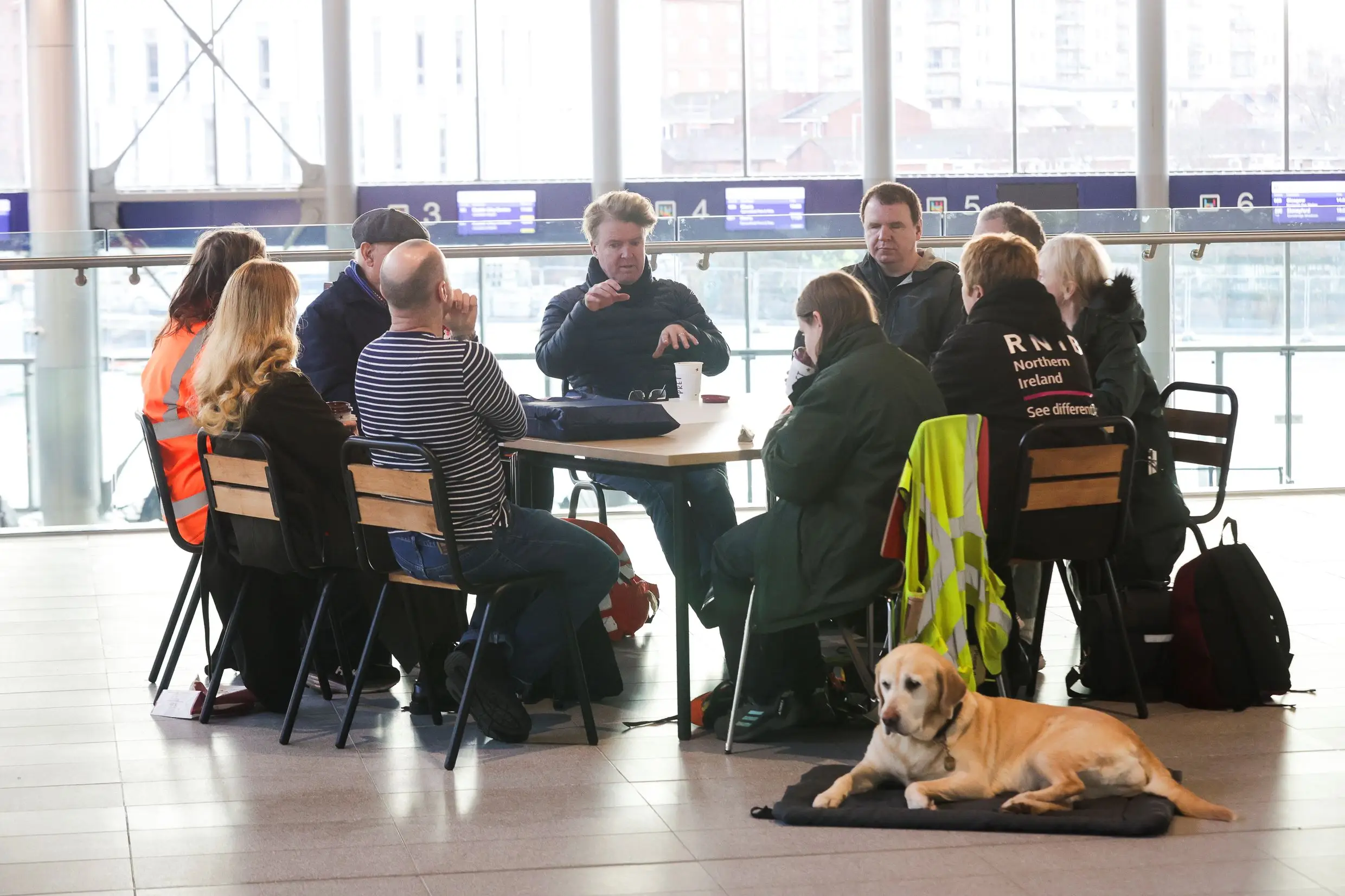
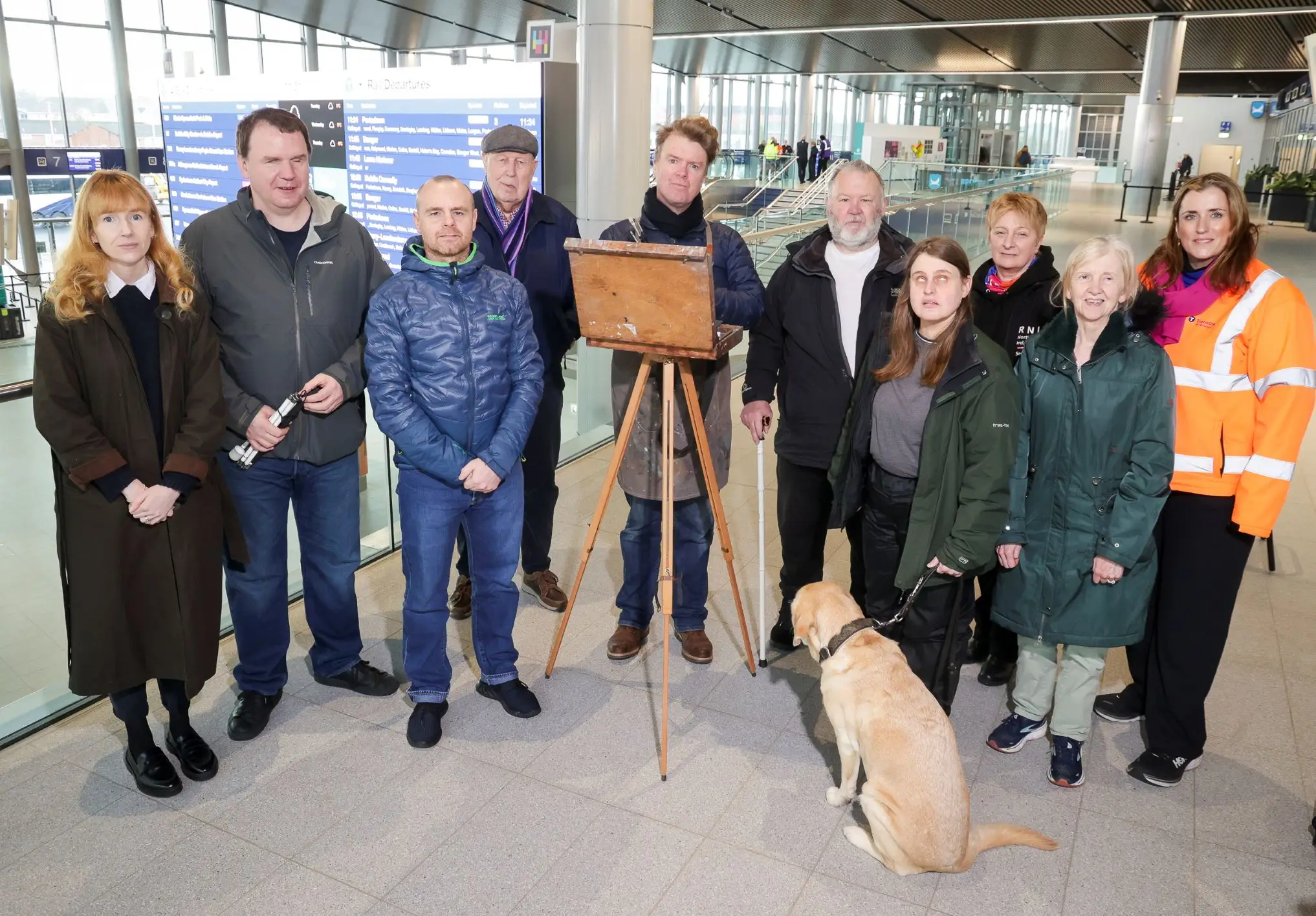
Participants spoke about the importance of sound — the rhythm of footsteps on a platform, the voice of an announcement, the reassurance of a driver greeting passengers as they board. Others described the role of familiarity: learning the feel of a station, recognising the direction of a doorway, or knowing the subtle changes in space that guide movement.
As Joe, who attended the session, reflected:
“Being able to travel independently means everything. Public transport gives me the freedom to go where I need to go, to see people, and to be part of everyday life like anyone else.”
Another participant, Tori, who has been blind since birth, spoke about how people with sight loss experience places differently:
“When you’re blind you build a picture of a place through sound, movement and memory. A station isn’t just what it looks like — it’s how it feels to move through it.”
Listening to these reflections reminded me that spaces like stations are experienced in many different ways. For some people they are visual landmarks; for others they are navigated through sound, touch, routine and trust.
For me, this workshop also carried a personal dimension. In 2025 I experienced sudden partial sight loss following a detached retina, and the experience changed how I move through the world. Even temporary loss of vision alters your awareness of space — how you listen, how you judge distance, how you rely on sound, contrast and the presence of other people to orient yourself.
During recovery I became more conscious of the subtle cues that help us navigate public places — the tone of an announcement, the rhythm of footsteps, the reassurance of someone offering help.
It gave me a deeper appreciation of how public transport environments are experienced by people with different levels of sight.
The reflections shared during the workshop will now inform a new painting I am developing as part of my Translink Artist in Residence programme. Rather than simply painting what a station looks like, the work will respond to the voices and experiences shared by the group — an attempt to capture something of how a place feels when you experience it through sound, memory and movement.
The completed painting will be unveiled as part of a public exhibition at Belfast Grand Central Station from 22–29 March, where a collection of works created during my residency will be displayed on the main concourse.
Everyone is warmly welcome to visit.
Public transport connects people to opportunity, independence and community. Listening to these stories has reminded me that the most important journeys are not always the ones we see — but the ones we learn to understand.